


Everyone likes to bench — us included. But let’s be honest, unless you’re a beginner, you won’t get far by waltzing into the gym, loading up a barbell, and mindlessly pounding away at set after set.
To build strength, gain muscle, you need a bench press program. The right programming style can help you increase your bench press, pack mass onto your pecs, and provide the structure you need to excel in the gym. Here are five of our picks for the types of bench press programs you can use:
Best Bench Press Programs
1. Starting Strength
Mark Rippetoe’s Starting Strength is a great introductory strength training program designed to take advantage of a “young” training age. Being new to lifting usually means a rapid (and borderline unfair) speed of progress. The Starting Strength program harnesses frequent increases in bar weight to speed the trainee through their “newbie gains” as quickly as possible.
The Workout
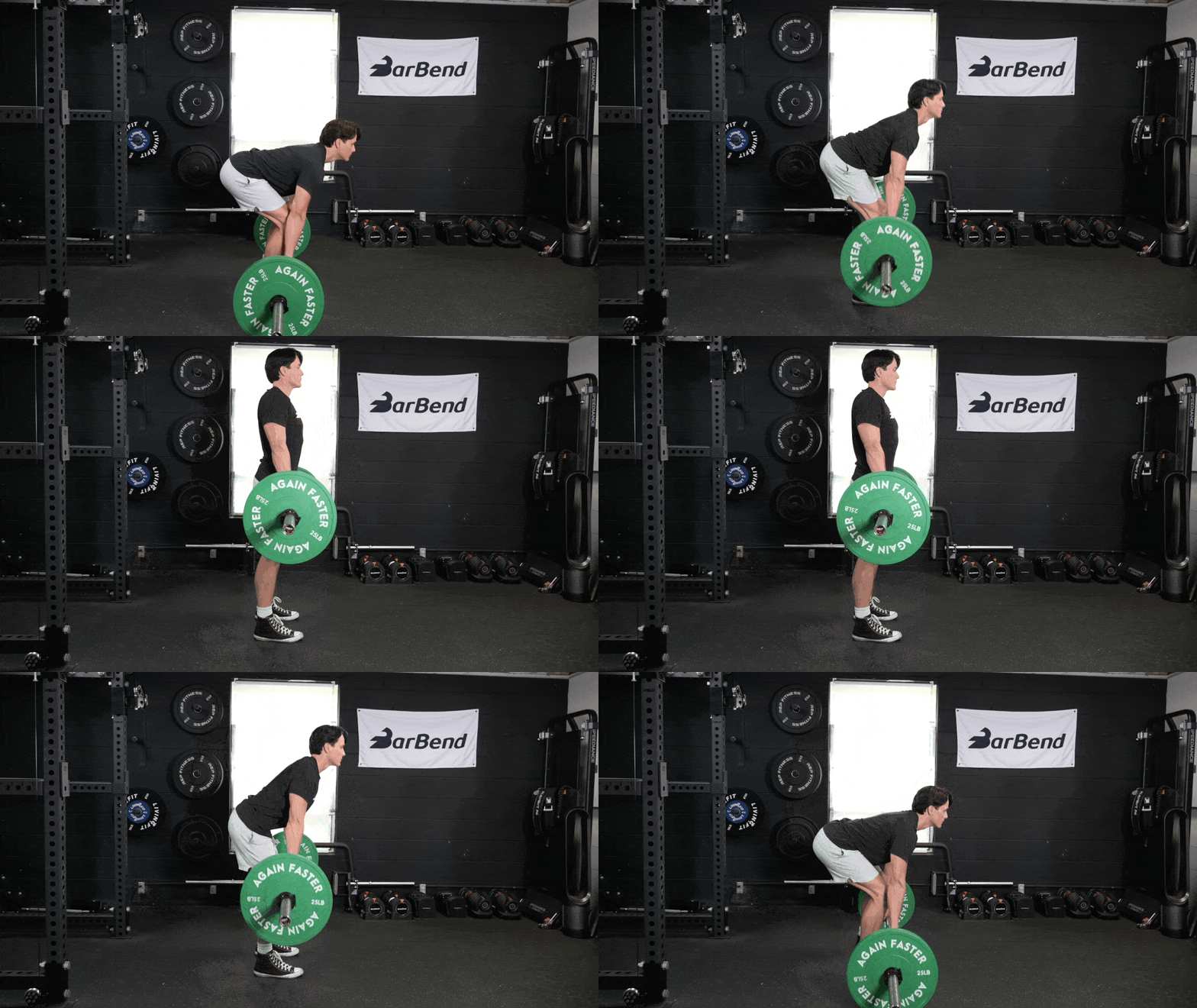
Starting Strength is a full-body, barbell-centric linear training program. While linear progressions can be implemented for a reasonable amount of time, the overarching goal is to acquire the easy, early gains from strength training without adhering to classical periodization tenets that may be obtrusive to new trainees.
Starting Strength builds full-body strength utilizing two workouts performed three days per week in alternating fashion.
Workout A:
| Exercise | Sets | Reps |
|---|---|---|
| Squat | 3 | 5 |
| Bench Press | 3 | 5 |
| Deadlift | 1 | 5 |
Workout B:
| Exercise | Sets | Reps |
|---|---|---|
| Squat | 3 | 5 |
| Press | 3 | 5 |
| Deadlift | 1 | 5 |
For example:
Week 1
| Day | Workout |
|---|---|
| Monday | Workout A |
| Wednesday | Workout B |
| Friday | Workout A |
Week 2
| Day | Workout |
|---|---|
| Monday | Workout B |
| Wednesday | Workout A |
| Friday | Workout B |
Why We Like It: “I ran Starting Strength myself early in my lifting career and loved it,” Dickson says of the program. He notes that Starting Strength’s selling point is its simplicity, serving as a great introduction to periodization for beginners.
2. Block Periodization
A natural next step once newbie gains have been exhausted is to begin dabbling in periodization models. Periodization means that a structure behind set, repetition, and weight selection is in place to ensure you won’t get overwhelmed by increased workout difficulty that may outpace your ability to recover. Block periodization is one example of implementing a periodized approach.
The Workout
[Read More: The Best Smith Machine Exercises and How to do Them]
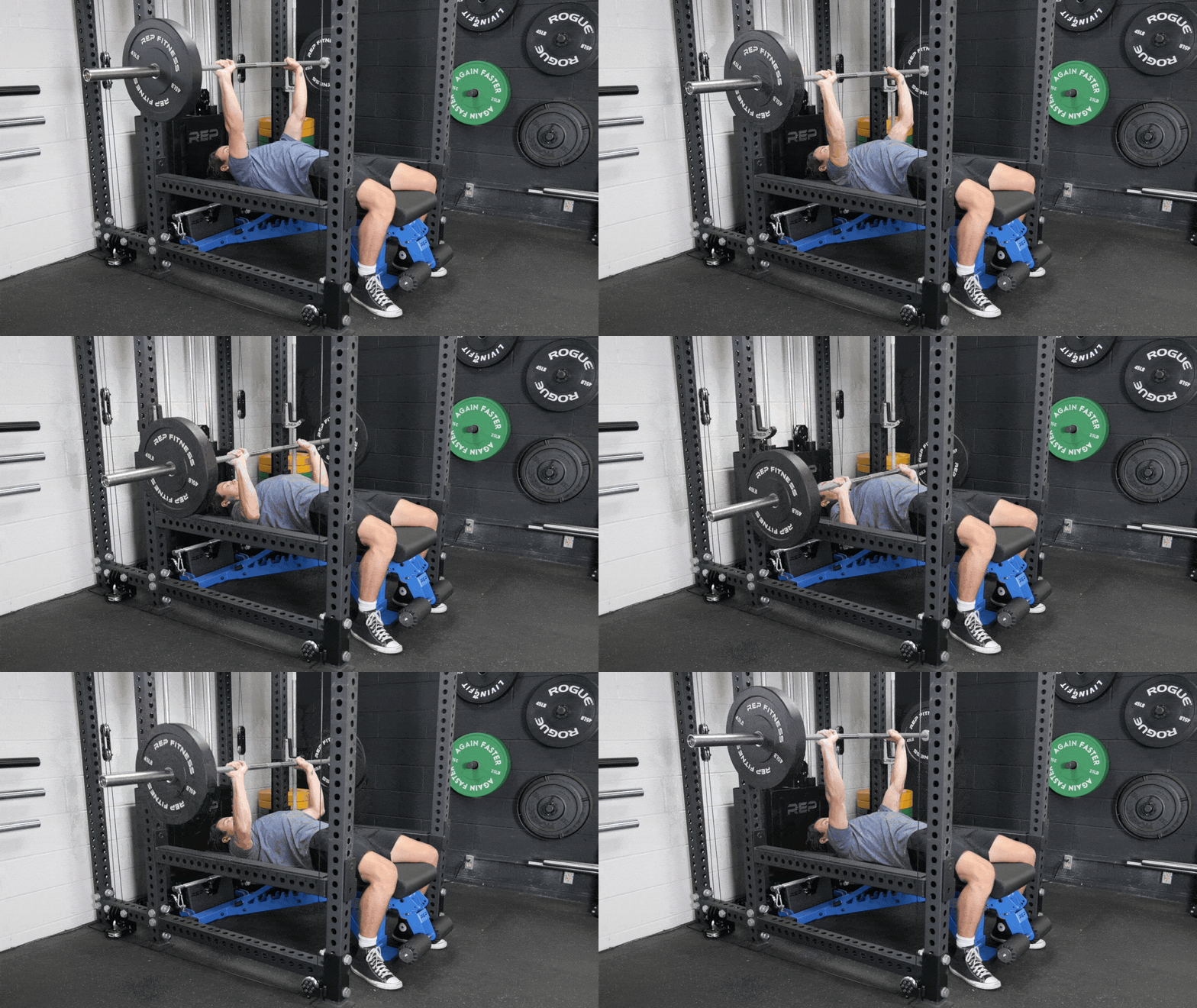
One form of block periodization increases the weight lifted per session while decreasing the number of repetitions. This style requires a more experienced trainee to know (or estimate) their 1-repetition maximum (1RM) on the bench press to program their workouts accurately.
Block periodization applies to the bench press (or other major compound exercises) specifically, leaving ample room to tailor a custom workout around the other exercises you may also need to see progress.
| Week | Sets | Reps |
|---|---|---|
| Week 1 | 3 | 12 with 65% of 1-rep max |
| Week 2 | 3 | 10 with 70% of 1-rep max |
| Week 3 | 3 | 8 with 75% of 1-rep max |
| Week 4 | 3 | 6 with 80% of 1-rep max |
| Week 5 | 3 | 5 with 85% of 1-rep max |
| Week 6 | 3 | 3 with 90% of 1-rep max |
| Week 7 | 3 | 1 with 92.5% of 1-rep max |
| Week 8 | 2 | 1 with 95% of 1-rep max |
Why We Like It: Dickson remarks that block periodization is ideal for folks who want to beef up their bench press, but hate performing the exact same workouts over and over. This type of program adjusts your intensity and reps on a weekly basis, which adds diversity to your workouts.
3. 5/3/1
Jim Wendler’s 5/3/1 program is a no-frills brute strength program designed around the squat, bench press, deadlift, and overhead press. The major selling point is that it takes the guesswork out of your programming similar to Starting Strength but accounts for a more advanced trainee’s necessity to recover more between workouts.
The Workout
5/3/1 is a weekly undulating periodization program that changes the load and volume of each exercise progressively over three weeks before allowing for a deload (lighter) week. As straightforward as it seems, it is recommended that you do not deviate from the main and accessory lift prescriptions, as it is tightly calibrated to do one thing — make you brutally strong.
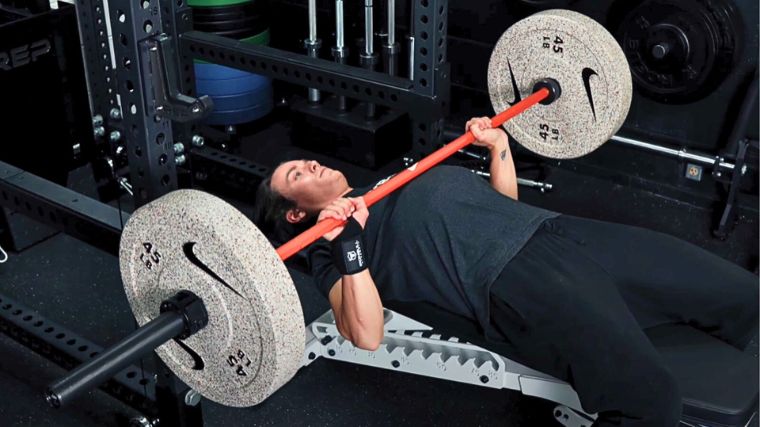
Note: All %1RM calculations are actually based on 90% of your true one-rep-max. This is referred to as a “training max,” a weight you could reliably hit on most days in the gym.
Week 1:
| 5 repetitions at 65% of training max |
| 5 repetitions at 75% of training max |
| 5+ repetitions at 85% of training max |
Week 2:
| 3 repetitions at 70% of training max |
| 3 repetitions at 80% of training max |
| 3+ repetitions at 90% of training max |
Week 3:
| 5 repetitions at 75% of training max |
| 3 repetitions at 85% of training max |
| 1+ repetition at 95% of training max. |
Week 4:
| 5 repetitions at 40% of training max |
| 5 repetitions at 50% of training max |
| 5 repetitions at 60% of training max |
Why We Like It: “This is a stellar pick for anyone with a few years of lifting experience,” Dickson says. He believes that 5/3/1 can serve as a great “bridge” between beginner programs and more involved forms of periodization.
4. Daily Undulating Periodization
Daily undulating periodization places frequency at the forefront of your bench press training. Many people may benefit from increased frequency to help pack on muscle or improve strength on the bench press, yet stick to programs that have them benching only once per week.
That isn’t to say it doesn’t work, but increasing frequency could play a big role in breaking bench press plateaus by increasing proficiency and building more upper body muscle at the same time.
The Workout
[Read More: The Best Weight Benches on the Market]
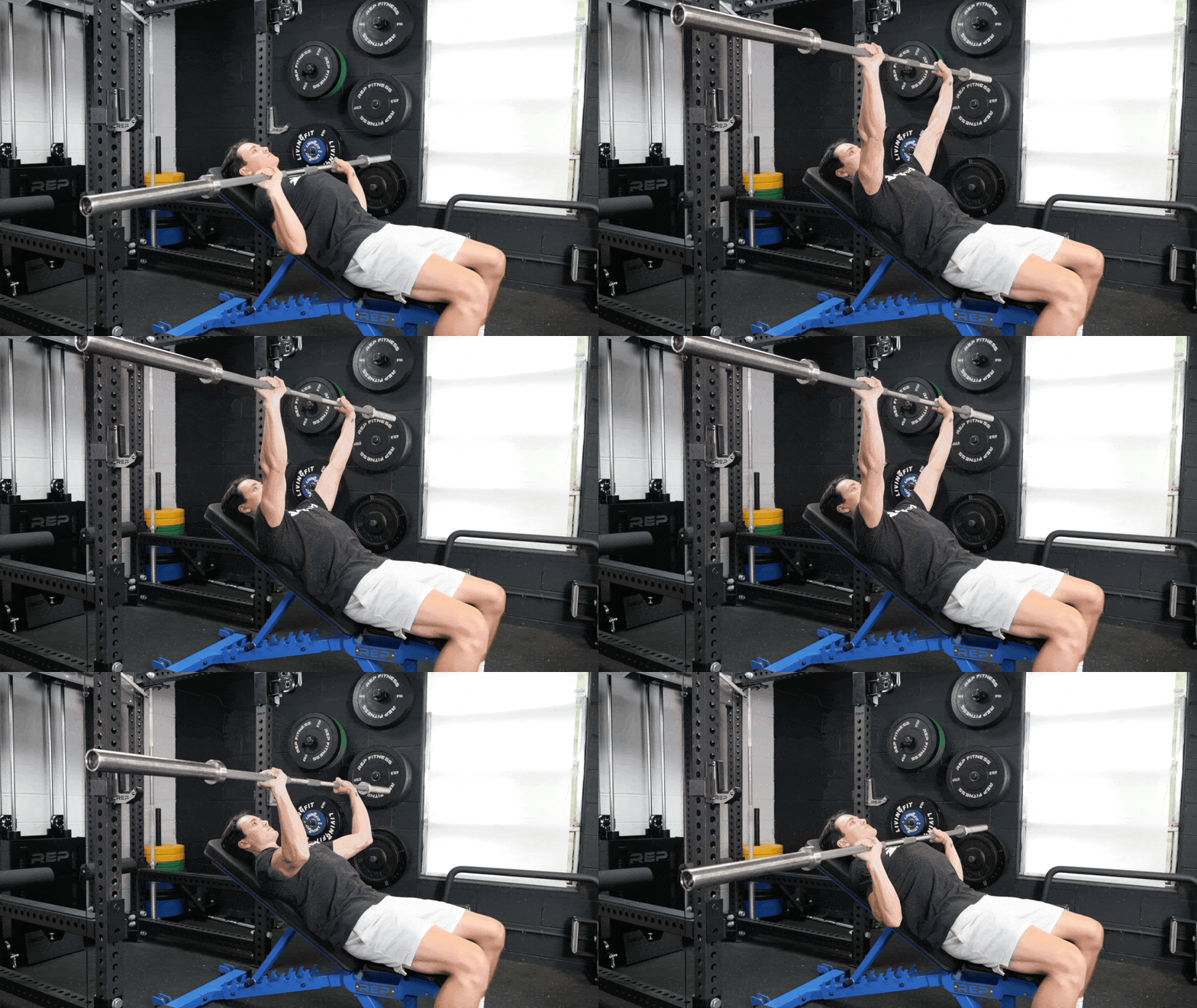
A daily undulating program does not have to be complex. A simple example could be training your bench press heavy, medium, and light once per week for a total of three workouts.
While the bench press volume may be increased over the course of the week relative to other programs, it should still leave plenty of room for you to structure other exercises into your days to account for building a well-rounded training session.
| Day | Sets | Reps |
|---|---|---|
| Day 1 (medium) | 5 | 5 |
| Day 2 (light) | 3 | 12 |
| Day 3 (heavy) | 3 | 3 |
Note: Medium, light, and heavy refer to the intensity relative to your one-rep-max. Effort should still be relatively high on a set-by-set basis since you’re performing different rep ranges.
Why We Like It: “DUP” plays to the strengths of periodization. By varying the stimulus every session, your workouts will never feel stale, and you can build up strength while also adding muscle mass or improving your endurance. “In my experience, DUP is extremely sustainable long-term for most people,” says Dickson.
5. Concurrent
Another programming method is the concurrent style of training — where multiple goals are pursued within the same session. Where in strength-orientated programming, you may train the bench press using heavier weights almost exclusively, concurrent training methods would see you train the bench press for strength before training the chest itself through a range of muscle-building exercises. These are also some of the guiding principles found in many power-building routines.
The Workout

[Read More: Best Cable Machines]
To create a concurrent-style of program, first, choose a periodization method to guide your bench press routine. From there, add in additional exercises prioritizing chest size and strength to complement the bench press, such as dumbbell bench presses or pec flyes.
Oftentimes, these workouts start with heavier weights before stacking many more sets, repetitions, and moderate training loads to fully train the chest across a spectrum of challenges within the same day.
| Exercise | Sets | Reps |
|---|---|---|
| Bench Press | 3 | 5 with 85% of 1RM (block periodization style) |
| Incline Dumbbell Bench Press | 3 | 10 |
| Cable or Machine Flye | 3 | 12 |
| Push-ups | 2 | AMRAP |
Why We Like It: Dickson recommends concurrent programming for anyone who wants to do more than just get strong on the bench press. This style of program is ideal for powerbuilders or athletes in the off-season.
Bench Press Alternatives
If your goal is to lift heavier weights in the bench press, you’re going to have to perform the bench press. However, many of the principles and programs outlined apply to other exercises that may provide a better mind-muscle connection, be less aggravating on your joints, or be more fun to train.
So, if you don’t want to bench with the bar, no worries, we’ve got you covered. Here are some alternatives to the bench press you can do — bear in mind, though, that the programs outlined in this article are designed for the barbell bench. If you swap these alternatives in, you may have to tweak things on the fly.
Dumbbell Bench Press

[Read More: The Best Dumbbells for Any Budget and Fitness Goal]
Performing the bench press movement with dumbbells is the closest cousin to the iconic barbell lift. Separate, independent movement of the arms allows for a more personalized technique and may be more comfortable on the shoulders or elbows. However, even a good pair of adjustable dumbbells are not as acutely loadable as a barbell, so certain progression pathways may not work as well.
Incline Bench Press

Whether with a barbell or set of dumbbells, the incline bench press is a phenomenal upper chest builder. The inclination of the bench can slightly — or significantly, if that’s your cup of tea — alter the resistance path and resulting training response. The incline bench can fit into a standard bench program if you’re after more upper pec development or stronger delts. Note, though, that you will not be able to lift as much absolute weight.
Weighted Dip
[Read More: The Best Dip Belts on the Market]
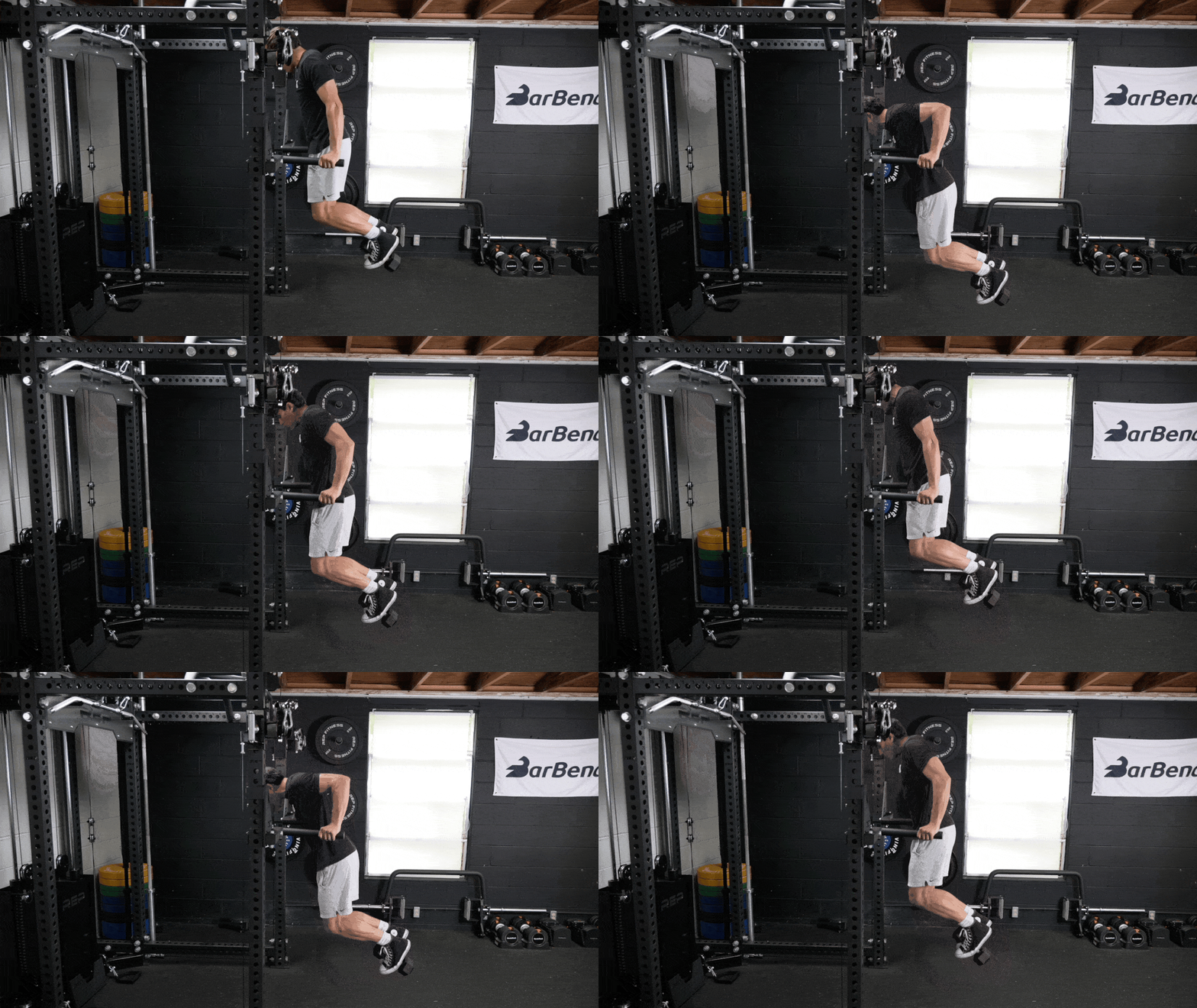
The weighted dip is a significant step up in difficulty from the calisthenics classic performed on a set of gymnastics bars or at a machine station. It is possible to apply linear or undulating progression blueprints to this exercise, but many external variables may impede smooth, consistent progress. That said, a set of dips with one or two weight plates attached to your waist will definitely turn heads at the gym.
How Getting Stronger Works
Strength is an expression of full-body coordination and force production. During the bench press, your prime movers (your chest, triceps, and shoulders) must be able to exert force to move the barbell.
But gaining strength is as much about your mind as it is your body. When you lift heavy weights consistently over time, your central nervous system (CNS) adapts to the demand, becoming more efficient at coordinating things like muscle contraction and joint stability.
Getting strong requires a long-term commitment to technical practice and moderate to heavy loading to accomplish those two tasks. If a strong bench press (or big chest) is your goal, committing to the exercise for the long haul — along with having plenty of patience — is a must.
Benefits of Doing the Bench Press
As with most barbell exercises, many of the benefits of successfully performing the bench press are actually achieved by the work you do to become a good bencher in the first place. Benefits such as improved mobility, joint stability, and upper body size and strength are all involved in building the bench press, and bleed into other aspects of your fitness.
Improved Mobility
To perform the bench press successfully and for a long enough time to see real progress, you must first gain the required hip, trunk, and shoulder mobility to perform the best possible bench press technique. This often requires the addition of hip flexor, pec and lat, thoracic spine, and shoulder warm-up drills to be involved in bench press training and thus carries over to many other exercises.
Increased Joint Stability
Being strong is intimately tied to the ability to stabilize your body through only one range of motion — that of the bench press. Having adequate joint stability is necessary to prevent plateaus in the bench press from elbows and wrists losing position, or the legs wobbling around uncontrollably during hard attempts.
Improved Upper Body Size and Strength
Everyone who has a strong bench press, and thus a strong chest, has probably realized that to keep seeing progress, they need to build more muscle. Ultimately, a bigger torso (back, shoulders, arms, and chest) gained by building the upper body musculature translates into a bigger bench by cushioning the joints and providing more muscle to produce force.
Types of Progression
Increasing strength and size is not an accident. Applying structured intensification to a training program helps to ensure that steady progress can be made while limiting risk of injury or plateau.
There are several methods of periodization, all of which modify total sets, repetitions, or load prescriptions for your main exercises (in this case, the bench press) over time.
Linear Periodization
Linear periodization is the most fundamental method of progression. It calls for an increase in repetitions with the same load week over week, or, an increase in load with the same repetitions. It is well-suited for beginners or trainees who enjoy simplicity in their programs.
Non-linear / Undulating Periodization
Unlike linear periodization, non-linear or undulating periodization often requires a change of multiple training variables (sets, repetitions, or load) week over week or even within the same week. 5/3/1 is an example of undulating periodization, and fluctuations in loading parameters can be especially useful once you’ve got a few years of training under your belt.
Block Periodization
Block periodization for strength training typically involves two to four week “blocks” of workouts designed around specific, progressive parameters. Often, the training emphasis per block flows from hypertrophy to strength and finally peaking. Block periodization is particularly applicable to anyone preparing for a competition or interested in testing their strength in the gym.
Final Word
Strength development may seem like a far-off goal with many winding roads. However, it is better to think of the various methods or programs as tools in a toolbox. The key difference, though, is that no individual program or principle is a Swiss army knife.
If you want to build a herculean bench press or grow your pecs to rival Arnold, picking the right workout program is the first step on your journey. Once you’ve planned out where you’re going, all that remains is to hit the gas pedal.
FAQs
What muscles does the bench press work?
The bench press primarily engages your chest, shoulders, and triceps. But it’s a fantastic overall upper-body exercise.
How can you increase your bench press?
The best way to bench more is to bench more. But in seriousness, a good bench press powerlifting program will do the trick. Programs take the guesswork out of the equation and guide you on how much weight to lift, how often, and for how many sets and reps.
What is the best bench press routine?
The “best” bench press workout routine is the one that you can stick to and follow through to completion. Any structured program should work, provided it is suitable for your experience level. No matter which bench plan you choose, the most important factor is adhering to it from start to finish.
