If youโre new to working out, itโs easy to feel like a stranger in a strange land when you enter the weight room. The gym floor is decorated with all manner of machinery, oddly-shaped bars, and contraptions that fold, twist, or rotate around.
Once youโve settled into your new environment, your next task is befriending the locals. A tall order, since gym rats tend to speak in tongues. If youโve ever overheard a conversation in the squat rack or by the water fountain that sounds like a foreign language, donโt fret. Gym jargon is more intuitive than you might think.

Whether you want to keep up with the regulars at your favorite fitness center or have a few years of training under your belt and still canโt seem to figure out what โpeeledโ really means, look no further. Below, youโll find a glossary explaining common gym slang and how to use it.
AMRAP
AMRAP is an acronym that stands for โas many repetitions as possible.โ Itโs commonly applied to strength training programs as a means of greatly increasing the difficulty of a set by pushing the athlete to their absolute limit. Instead of performing a specific, often pre-determined number of repetitions, the athlete works until they physically canโt lift the weight theyโre using.
ATG
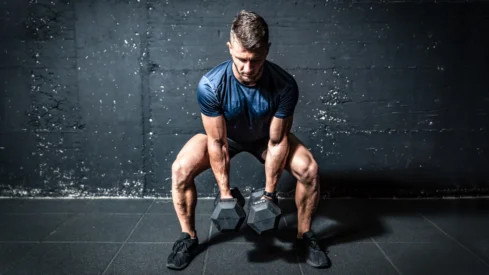
ATG refers to โass to grass.โ Itโs a way of describing a squat โ whether back or front โ performed by sitting down low enough that the lifterโs buttocks nearly touch the floor. In practical terms, โgoing ATGโ means squatting below parallel as far as your mobility allows.
Broscience
Broscience is a way of describing claims made about training, nutrition, or recovery that don’t have much legitimate scientific backing. It tends to refer to advice passed around fitness circles over time that people accept as true, but may not hold up to scrutiny. For example, that you shouldnโt eat carbohydrates right before bedtime.
Bulking
Bulking describes a diet or style of eating that focuses on gaining weight โ typically muscle. It doesnโt describe a strict dietary plan, but lifters tend to say theyโre bulking whenever theyโre in a caloric surplus, meaning theyโre eating more calories per day than they burn through activity.
Macronutrient Calculator
A โbulk phaseโ can also be called โcleanโ or โdirty.โ If youโre tracking your macros and/or caloric intake while gaining weight, youโre on a clean bulk. If youโre inhaling food without regard for nutritional benchmarks, youโre bulking dirty.
Cheating
Some terms have more than one meaning, and cheating falls under that umbrella. In terms of training and exercise performance, cheating refers to deviating from an exerciseโs prescribed form or technique specifically for the purposes of lifting more weight.
When referring to a diet, a cheat meal is any unplanned or off-program meal or snack that interferes with your prescribed dietary guidelines, if you choose to adhere to strict parameters.
Concentric
Most common resistance training movements have two phases โ a lifting and a lowering phase. The concentric portion refers to the former, where the athlete exerts themselves against the weight to lift it. The concentric portion of a movement is imperative for increasing power output, developing hypertrophy, and getting a good pump via muscle contraction.
Cycle
A cycle can mean multiple things. That said, its most common usage refers to programming, which is a period in a training routine dedicated to improving a specific quality. Powerlifters who are on a โpeaking cycleโ are focused on getting as ready as possible for their competition day, and training accordingly.
Cutting
If bulking is on one side of a coin, cutting is on the other. It refers to the process of reducing calories for weight loss, but can also be used as shorthand for cutting weight itself. Bodybuilders cut to reveal the muscle theyโve grown, and strength athletes like powerlifters will cut to make a certain weight class for competitions.
Deload
A deload is a period of reduced workout intensity during a training program. Most deloads are planned, and typically involve intentionally reducing either your total workload for a given period of time, or using less weight than you normally would. Deloads are used by both physique and strength athletes to recover from periods of strenuous training.
Drop Set
Like the AMRAP, a drop set is a means of increasing intensity while performing an exercise. Instead of letting go of your barbell or dumbbells after completing your prescribed reps, during a drop set you immediately reduce the weight and continue the exercise.
By lowering the weight, drop sets allow you to continue performing more reps than youโd have been able to with your original level of resistance. Athletes will typically โdropโ multiple times โ grabbing lighter weights twice in a row would be considered a double drop, and moving the pin up on the cable stack thrice over would make the set a triple drop.
Eccentric
The eccentric portion of a resistance training movement refers to when the weight is being lowered. During a squat, itโs when youโre sitting down. On a set of curls, itโs when youโre dropping your hands back down to your sides.
The eccentric portion helps develop muscular strength, can improve the flexibility of the joint youโre working with, and is integral when working on your stability and bodily control.
Frequency
Frequency describes how often you train a muscle, muscle group, or hit the gym altogether. For most trainees, a moderate training frequency โ hitting the gym three to five times per week โ works best.
Increasing your frequency is a solid means of driving progress after youโve been in the gym for a few years. For rank beginners, a lower frequency of training can still yield noteworthy results.
Guns
Guns are a nickname for your arms. If you want to develop a nice pair of guns, you have to work on growing your triceps, biceps, and forearm muscles. Although your arm muscles often have assistive roles in bigger exercises like rows or the bench press, youโll probably have to isolate them to really make some large-caliber gains.
Half Rep
If you donโt go through the full range of motion for an exercise, youโre performing half reps. Half or partial repping is generally considered bad practice in the weight room, although it has some relevance in certain conditions โ specifically for developing strength in experienced lifters.
However, most of the time, athletes perform half reps because they lack strength, confidence, or comfort with the weight. In general, it is best to use your entire range of motion for an exercise, which means sitting as low as you can in the squat or touching your chest with the barbell if youโre doing the bench press.
Invisible Lat Syndrome
Invisible Lat Syndrome, or โILS,โ is a pejorative that describes a certain posture in the gym. If someone struts around the weight room with their arms floating at their sides and chest puffed out, it is said that theyโre suffering from ILS โ theyโre acting like theyโve got massive lat muscles on their back, when there might not be anything there at all.

Isometric
The isometric is the estranged cousin of the concentric and eccentric phases of lifting. Any time youโre holding a weight still in space, youโre performing an isometric. While most exercises benefit strongly from lifting and lowering, some movements โ like the plank or pause squat โ are best performed with distinct isometric portions.
Mirinโ
Mirinโ is a bodybuilderโs way of showing appreciation for someoneโs physique or strength. If you canโt help but notice that one person in the gym with cannonball delts that pop out of their shirt, youโre definitely mirinโ them. If a five-plate deadlift makes your head turn, youโre mirinโ their strength.
PR
A PR is a โpersonal record.โ It refers to an athleteโs best effort in a given exercise. While PRs typically describe the maximum amount of weight used for a single rep, you can have a PR in any dimension of fitness. By performing 10 repetitions when youโre only asked to do 8, for instance, you can set a PR in the amount of volume you did that day.
Peeled
Peeled describes an extremely low level of body fat. If an athlete has been cutting for a while and has lost enough fat that the striations in muscle tissue are easily visible, you could say that theyโre peeled.
Prep
Prep is shorthand for preparation, and refers to both diet and training periods before a specific event. Bodybuilders go through periods of contest prep wherein they rigorously diet down to very low body fat. Powerlifters, weightlifters, and strongmen have prep cycles that involve specific, high-intensity training in order to perform at a competition or meet.
Pump
The pump is considered sacred to any bodybuilding enthusiast. When your muscles contract, they gradually fill with blood. Over time, repeated contractions shuttle enough blood to inflate the tissue, giving your muscles more physical size and an accompanied feeling of tightness.
Although pumping your muscles up doesnโt directly help them grow or get stronger, it is a welcome side-effect of training, particularly for those on bodybuilding routines.

Rep
A rep is short for โrepetition.โ It refers to one complete movement of an exercise from start to finish. Lowering the barbell from armโs length, down to your chest, and back to armโs length in the bench press is considered one rep. In the squat, it would be sitting down and standing back up again.
Ripped
Ripped is a way of describing a lifterโs overall conditioning. While it may be used most commonly to describe someone with low body fat, people tend to be described as ripped if theyโre also packing a noticeable amount of muscle.
Set
A set is a cluster of repetitions. If youโre tasked with performing eight reps of curls, completing all eight without resting yields you one set. Sets tend to be used as the primary unit counted when considering total training volume.
Superset
A superset is an intensity technique that can be used to tactically increase workout difficulty. Instead of performing sets by themselves with dedicated rest periods in-between, supersets force you to complete your reps of a given exercise and then move immediately to a new exercise.
You can superset two exercises that work opposing muscles โ such as the barbell curl with the skull crusher โ to save time, or pair movements that work the same muscle to double-down on intensity.
Swole
Swole is a word that describes a particularly muscular physique. Unlike being peeled or ripped, โswolenessโ is all about carrying as much muscle on your frame as you can.
TUT
TUT stands for โtime under tension.โ It describes how long you spend working your muscles against resistance during a set. Since mechanical tension is one of the main factors that contribute to muscle growth, increasing your TUT in an exercise, to a reasonable degree, is generally beneficial for making progress.
Tempo training or extending your range of motion are reliable ways to boost your TUT.
Volume
Volume simply refers to the amount of work you perform in the gym. When it comes to lifting weights, increasing your volume is a reliable way to make consistent progress. As your body adapts to a given workload, higher volume โ whether by adding more sets, reps, or new exercises โ can help spur on additional progress.
Wheel
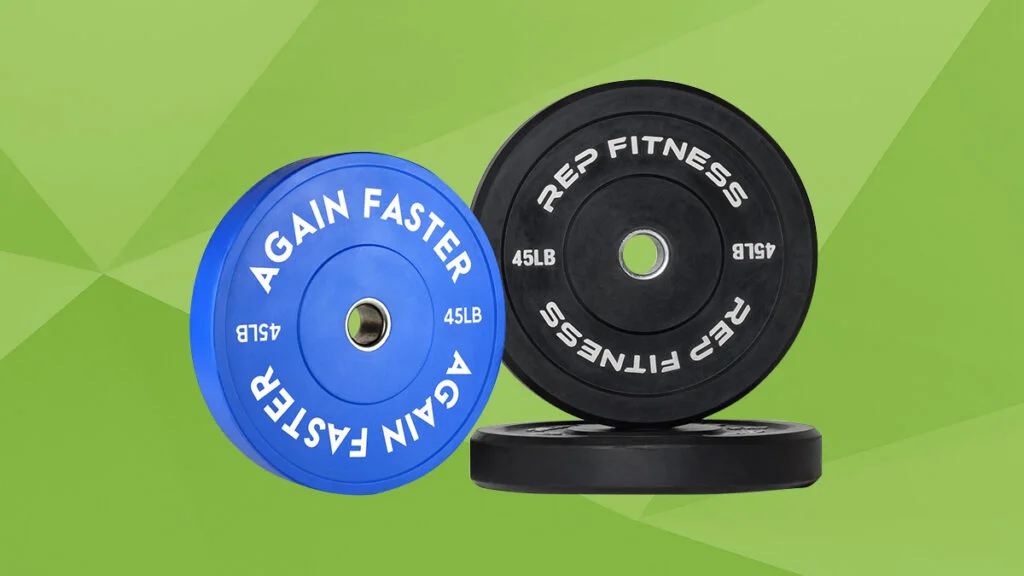
Wheel has multiple meanings. If a lifter has impressive legs โ strong quads and hamstrings, as well as developed calves โ you could say that they have nice wheels. However, wheels also refer to full-size weight plates. An athlete who is squatting with three 45-pound plates on each side of their barbell could be said to be squatting three wheels.
Widowmaker
A widowmaker is a nickname for a set of 20 repetitions, usually on the squat. Itโs considered a truly grueling challenge for those who wish to test their strength, cardiovascular tolerance, and willpower all at once.

[Read More: Powerbuilding Workout Routine, With Tips from a CPT]
Widowmakers arenโt generally used in standard training routines, but can be incorporated from time to time to spice things up in the gym.
From A to Z
Walking the walk in the gym is easy enough โ all you need is the right training plan, solid nutrition, and enough willpower to get your own butt in gear. That said, it takes a bit more finesse to talk to the talk.
Whether starting to exercise is your endgame or you just want to brush up on the patois of getting a pump, keep this glossary on hand and you might just bag yourself a new gym buddy.
Featured Image: Syda Productions / Shutterstock